Myrtle Beach Bike Week: Motorcycle and Moped Accidents
- August 4, 2026
This is the story of a motorcycle crash I witnessed as a child on Highway 17 during Myrtle Beach Bike Week, and how it shaped the kind of lawyer I became.
Growing Up on Highway 17
I grew up in North Myrtle Beach, South Carolina. When I was young, North Myrtle Beach and the surrounding communities were quiet coastal towns during the winter months. Everyone knew everyone. Many of the same families had lived there for generations, working in the tourism industry during the busy summer seasons before life slowed again in the fall.
Back then, the beach felt small and familiar. Over time, though, the area changed. The population grew rapidly while the infrastructure struggled to keep pace. Highway 17 became increasingly congested, especially during major tourist events like Bike Week.
I remember driving home from dance classes in high school from Myrtle Beach to North Myrtle Beach, normally a thirty-minute trip. During Bike Week, though, that drive could feel endless, and with the windows down, the roar of the motorcycles would surround me. Traffic crawled forward inch by inch as bikes moved between lanes and around cars, with the sound of engines echoing off the pavement and nearby buildings. Even as a teenager, I understood there was a tension in the air during those weeks, and unpredictability that could turn dangerous in an instant.
The Crash That Stayed with Me
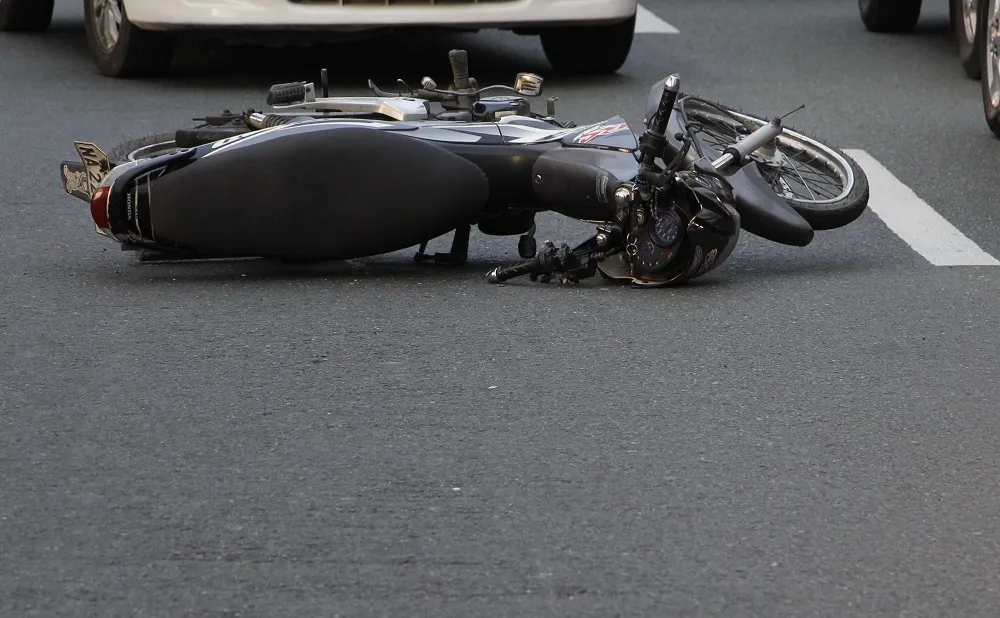
One of the most defining and traumatic memories of my childhood happened years earlier, when I was around eight or nine years old. My mother and I were stopped on Highway 17 waiting to turn left into a residential neighborhood. Another vehicle sat directly in front of us, preparing to make the same turn.
As that vehicle turned left, a motorcycle traveling southbound on Highway 17 struck it broadside. There was no time for the motorcyclist to react. No opportunity to brake. No chance to avoid the collision.
I can still see it clearly. I remember the violent sound of metal crushing together. I remember watching the rider launch into the air. I remember the light wash of his jeans, his brown hair, and the unnatural angle of his arms as his body flipped upside down above the highway. I remember watching him begin to descend headfirst toward the pavement below while my mother screamed beside me. Those images never fully left me, and I still think about them to this day.
Later that day, my mother's friend Meredith called. She lived nearby and had stopped to help after the crash. Meredith was a registered nurse. She told my mother the young man did not survive.
As a child, I could not fully understand what I had witnessed. I understood that something terrible had happened, but I was too young to grasp the permanence of death or the devastation left behind for the people who loved him. At that age, tragedy feels distant even when it happens directly in front of you. That understanding came later.
As I grew older, and especially after becoming a mother myself, the memory took on an entirely different weight. I began to think about the family of that young man, and especially the phone call they received, the life that was suddenly divided into before and after, the empty seat at holidays, the grief that follows people home long after the wreckage is cleared from the road.
Why I Am Writing This Now
I am writing this in the middle of Harley Bike Week 2026. Just yesterday, Myrtle Beach Police reported a motorcycle that struck a pedestrian. One person was left with life-threatening injuries.
These are not isolated incidents. They are the kind of news that arrives every spring during the rally, and every fall when the second rally returns. By the time you read this, there will almost certainly be more crashes, more injuries, and more families receiving a call like the one that’s been haunting my memories my whole adult life.
#cta_start
Were You or Someone You Love Hurt at Bike Week?
If you were injured during Harley Bike Week or the Fall Rally, or if you lost someone you love, my experienced and compassionate team at Elliott Frazier Injury Law is here for you. We’ll help you and your family through this long, difficult process.
#cta_end
What Bike Week Actually Looks Like on the Ground
Myrtle Beach Bike Week draws hundreds of thousands of riders into Horry County across roughly ten days in May. The Fall Bike Rally pulls in tens of thousands more in late September and early October. For most of the riders who come, the weekend ends safely. But the numbers that the South Carolina Department of Public Safety publishes every year tell a story that anyone who has spent time on Highway 17 already knows in their gut.
According to the 2023 South Carolina Traffic Collision Fact Book, Horry County recorded 11,109 traffic collisions in a single year, the fourth-highest total in the state, behind only Greenville, Charleston, and Richland counties. Sixty-four of those collisions were fatal. The county logged 2,707 injury collisions and an additional 170 collisions causing serious injury.
Two roads carry most of the weight in Horry County:
- US-17 logged 1,963 collisions in 2023, including 12 fatal crashes that killed 12 people.
- US-501 logged 1,591 collisions, including 10 fatal crashes that killed 10 people.
Those two corridors alone accounted for nearly a third of every crash in the county. And the contributing factors local officers cite in their reports read like a checklist of what I watched unfold from the passenger seat of my mother’s car: driving too fast for conditions, failure to yield the right of way, improper lane usage, and following too closely.
The Motorcycle and Moped Toll
In 2023 alone, Horry County recorded:
- 313 motorcyclist victims, including 9 fatalities and 60 motorcyclists who suffered suspected serious injuries;
- 42 moped operator victims, including 3 fatalities and 4 serious injuries;
- 107 pedestrian victims, including 17 pedestrian fatalities.
Inside the city limits, the Myrtle Beach Police Department investigated 1,957 collisions in 2023, including 7 fatal crashes. The North Myrtle Beach Police Department investigated another 777 collisions, resulting in 4 fatalities. Those city-level numbers do not even count the rally-week crashes worked by South Carolina Highway Patrol Troops on the state and US highways running through the county.
South Carolina Is Not a Forgiving State for Motorcyclists
The statewide motorcycle data explains why rally weeks become so dangerous so quickly. In 2023, South Carolina recorded 2,134 motorcycle-involved traffic collisions, the highest total in five years. Those crashes killed 128 people and seriously injured another 382. May, June, and October (the three months that bracket the two annual Myrtle Beach bike rallies) were ranked among the four deadliest months for motorcycle crashes statewide that year. October 2023 alone produced 19 fatal motorcycle collisions, the highest of any month.
Differences in helmet laws are part of the reason. South Carolina does not require adult motorcyclists to wear helmets, and the 2023 data reflects that choice. Of the 2,361 people involved in motorcycle collisions that year, 43.8 percent were wearing helmets, 46.8 percent were not, and the remaining 9.4 percent were unknown. Among the 125 motorcyclists killed, only 58 (less than half) were confirmed to have been wearing a helmet.
And of course, impaired driving compounds the problem. NHTSA’s 2023 figures attribute 413 of South Carolina’s 1,047 total traffic fatalities to drivers with a blood alcohol concentration of 0.08 or higher, which is roughly 39 percent of every traffic death in the state. The national rate is 30 percent. Horry County specifically recorded 28 alcohol-impaired driving fatalities in 2023, placing it among the top counties in South Carolina for impaired-driving deaths every year that data has been compiled.
Even weather is not the causative factor people assume it is. Of the 2,134 motorcycle-involved collisions in South Carolina in 2023, the majority of crashes (1,243) happened on clear or cloudy days with full daylight visibility. Fifty-eight of those daylight, clear-weather crashes killed someone. None of the usual excuses applied.
Why Bike Week Crashes Are Legally Different Than an Ordinary Wreck
After more than two decades representing injury victims in South Carolina, I can tell you that a crash during Bike Week is rarely a simple matter. Several factors stack on top of each other in ways that change how the case has to be built.
The Riders Are Often from Out of State
Many of the motorcyclists at the rallies live in North Carolina, Georgia, Florida, Tennessee, Virginia, or further away. When an out-of-state rider is injured in South Carolina, the case must still be filed and pursued under South Carolina law, but the rider's medical care, insurance coverage, and witnesses may be scattered across multiple states. Getting medical records released, coordinating with treating physicians back home, and dealing with policies issued in other states all add layers that the average car wreck does not have.
Liability Is Often Shared Between Multiple Parties
The crash I witnessed as a child involved a left-turning car and a southbound motorcycle. In a Bike Week-era case, the analysis can get far more complicated. The car making the turn, the bar that overserved a rider, the contractor who left a dangerous lane configuration in place, the rider behind who rear-ended the chain reaction, the company that owned the cargo that spilled in front of the pack — all of them can carry a share of the fault.
Identifying every responsible party matters because each one carries a separate insurance policy, and the difference between one policy and four can be the difference between a recovery that pays for one surgery and a recovery that pays for the rest of a person's life.
South Carolina's Comparative Negligence Rule Cuts Both Ways
Our state follows a modified comparative negligence rule. An injured rider can still recover compensation as long as he or she is 50 percent or less at fault, but the final settlement is reduced by whatever percentage of blame the rider is assigned. Insurance companies know this rule by heart and will spend serious resources trying to push the rider's share of fault over 50 percent. Insurance adjusters will blame the rider for speeding, lane splitting, helmet status, alcohol level, or anything they can use to make the claim go away without writing a check. They do this regardless of whether the evidence proves their point.
Insurance Adjusters Move Faster During Rally Weeks
Big insurance carriers know exactly when Bike Week is. They staff up. They get adjusters on scenes within hours. They reach out to injured riders before they have even been discharged from the hospital, offering quick settlements that almost always come in well below the claim's true value. By the time a rider gets home and starts to understand how badly he is hurt, the release has already been signed.
The Young Man on Highway 17
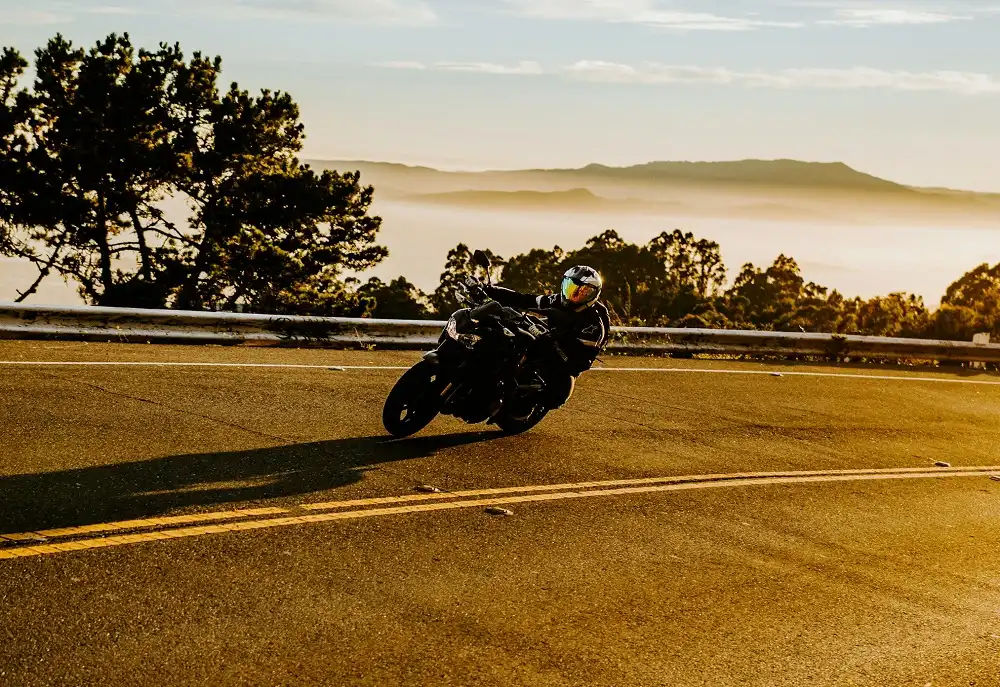
I do not know his name. I have wondered about him for nearly forty years. I have wondered who waited for him at home that evening, who picked up the phone when Meredith's call came, who had to drive to the morgue, who packed his things, who sat at his funeral, and the people who still think about him.
That experience changed me in ways I did not fully appreciate until adulthood. Today, I represent victims of motorcycle accidents and automobile collisions across Upstate South Carolina. Every day, I work with people whose lives changed in a matter of seconds because another person made a careless decision. I sit across from clients who are overwhelmed, grieving, angry, frightened, financially strained, or physically broken. I speak with families trying to make sense of unimaginable loss.
What happened on Highway 17 all those years ago gave me an understanding that goes beyond legal strategy or case management. It taught me that behind every file, every medical record, every photograph, and every insurance claim is a human being whose life may never look the same again.
Because of that experience, I do not see personal injury cases as numbers or transactions. I understand that for many clients, the collision itself is only the beginning. The emotional trauma, the fear, the uncertainty, and the ripple effects on an entire family can last for years.
I carry that perspective into every case I handle. It fuels the compassion I try to show my clients, but it also fuels my determination to fight for them. I know how quickly a single moment can alter the course of someone's life and their family because I witnessed it firsthand as a child on the side of Highway 17.
If you or someone you love was hurt at Myrtle Beach Bike Week, whether this year, last year, or any rally still within the statute of limitations, my team is here to help and give clear, honest answers to your questions. Contact us, tell us what happened, and we will take it from there.


.avif)
Angela Elliott Frazier
Angela Elliott Frazier protects and represents individuals facing personal injury challenges in South Carolina. She is committed to standing up for her clients' rights and guiding them through the legal process.
Let Us Help Lessen the Weight of Your Grief
You do not have to face the aftermath of a Bike Week crash alone. Everything you have to deal with can be difficult and complicated during this time of grief. But there’s help. Fill out the form below for a free, confidential consultation. Share a brief overview of what happened, and our team will be in touch.