Greenville Brain Injury Lawyer
A brain injury rarely announces itself the way a broken bone does. It can look like a headache that won't go away, someone’s personality seeming a little off, or a parent suddenly unable to keep up at work like they used to. By the time the full picture comes into focus, the insurance company has often already tried to close the file. We help Upstate families slow that process down and get it right.





A Firm Built to Go the Distance on Difficult Cases
Learn More About UsBrain injury claims are rarely simple, and insurance companies count on that complexity to justify a lowball offer. Founder Angela Frazier has spent her career pushing back against exactly that kind of pressure. Her own family fought a corporation all the way to the South Carolina Supreme Court rather than accept a quick settlement after her grandfather's death. She also holds a Master of Business Administration, which she uses to model out the real, long-term cost of an injury like this instead of letting an adjuster set the number.
We take the time these cases require: coordinating with your medical team, documenting how the injury actually shows up in your daily life, and building a claim around where you'll be in five years, not just where you are today.
What Qualifies as a Traumatic Brain Injury
Not every brain injury looks the same, and the label a hospital gives it on day one doesn't always reflect what it will mean for your life. Traumatic brain injuries generally fall into three categories:
Mild TBI (Concussion)
Despite the name, a "mild" TBI can still disrupt sleep, concentration, mood, and memory for weeks or months after the injury. Many people are sent home from the ER the same day with no idea how long the effects will actually last.
Moderate TBI
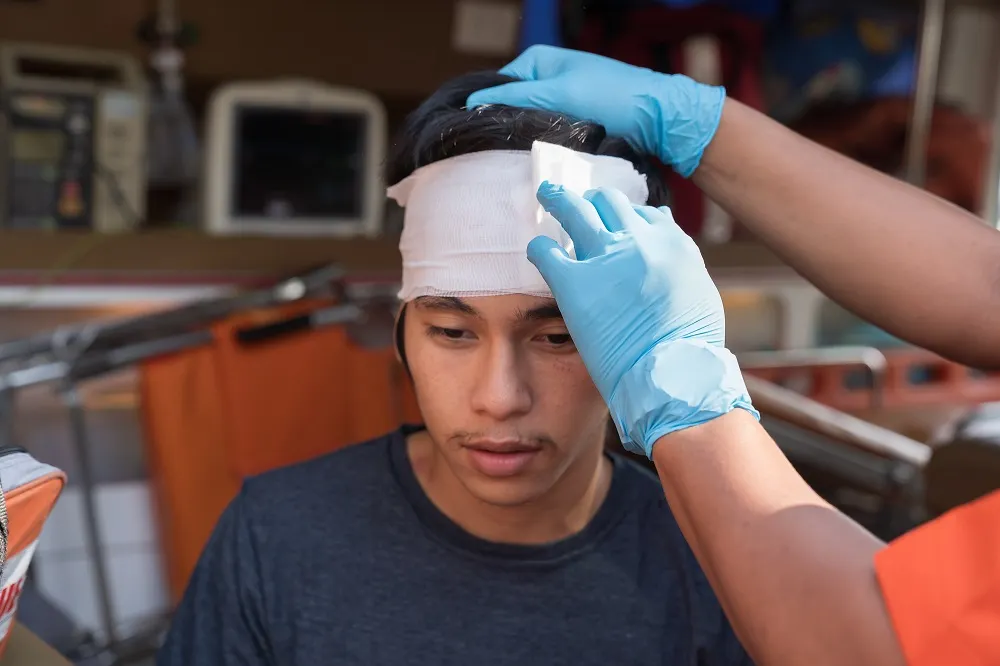
Often the result of a car crash, a serious fall, or a blow that causes brief unconsciousness, a moderate TBI can bring on real communication difficulties, trouble concentrating, and gaps in memory that interfere with work and relationships.
Severe TBI
A severe TBI typically involves an extended period of unconsciousness and requires immediate, intensive medical care. Recovery timelines are often uncertain, and some effects, like physical, cognitive, or emotional, may be permanent.
Because the true severity of a brain injury often isn't clear right away, we work closely with your treating physicians to make sure your claim reflects where your recovery is actually headed, not just the first note in your medical chart.
#cta_start
Your Injury Deserves More Than a Quick Settlement
Insurance companies often move fast on brain injury claims, hoping to settle before anyone fully understands the long-term impact. We move just as fast, protecting your case and your rights, and making sure nothing gets left on the table.
#cta_end
What Typically Causes a Brain Injury in Upstate South Carolina
Brain injuries happen in far more ways than most people expect, and identifying exactly how yours occurred is the first step in holding the right party accountable. We regularly see brain injuries resulting from:
- Motor vehicle collisions: Sudden impacts and violent jolts from car, motorcycle, or truck crashes are among the leading causes of TBI on Upstate roads.
- Falls: A fall on a wet floor, a broken stair, or an unsafe worksite can cause serious head trauma, particularly for older adults.
- Workplace and construction incidents: Falling objects, equipment failures, and falls from height put workers at real risk of head injury.
- Sports and recreational accidents: Repeated or severe impacts during athletic activity can cause both immediate injury and long-term cognitive damage.
- Assault and acts of violence: Intentional harm, including domestic violence, is an unfortunately common cause of traumatic brain injury.
Don’t Let an Insurance Company Define Your Recovery
Brain injuries can take time to fully reveal their impact. Before you accept a quick settlement, talk with a team that understands how to account for your future care, lost income, and long-term needs.

How We Build the Case to Prove Liability
Winning a brain injury claim means proving two things: that another party acted negligently, and that their negligence caused your injury. That takes more than a single medical report. Our approach typically includes:

Comprehensive Medical Documentation
We work with your providers to build a complete record connecting the incident to your diagnosis and ongoing treatment.

Witness Statements
Eyewitness accounts help establish exactly what happened and who was responsible.

Projected Care Needs
For injuries with a long recovery (or no full recovery), we consult with medical providers to project the treatment, therapy, and support you're likely to need in the future.

Financial Modeling
We calculate what those future needs will actually cost, so your settlement doesn't run out before your recovery does.
What Our Clients Say
Real Stories from Real Clients
Serving Upstate South Carolina
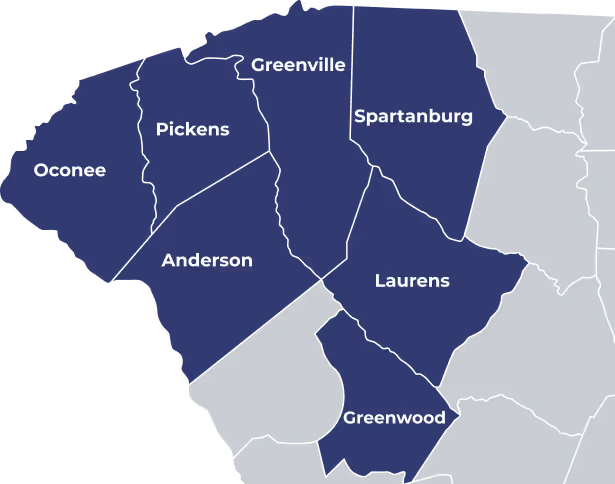
Our brain injury attorneys are based in Greenville, but we regularly serve clients throughout the Upstate.
- Greenville County
- Oconee County
- Spartanburg County
- Pickens County
- Anderson County
- Laurens County
- Greenwood County


Tell Us What Happened
You don't need to have every detail figured out before you reach out. Share what you know so far, and our team will help you understand what your options actually look like.

FAQs
Yes. "Mild" refers to the initial diagnosis, not the lasting impact. If you're still dealing with headaches, brain fog, or mood changes weeks or months later, that ongoing effect on your life is a real part of your claim.
That's common with brain injuries. Adrenaline and swelling can delay noticeable symptoms. A delayed onset doesn't weaken your claim, but it makes it important to see a doctor as soon as symptoms appear and to clearly document the connection to your accident.
Yes. Memory gaps are common after a brain injury, and they don't prevent you from pursuing compensation. We rely on medical records, police reports, and witness accounts to help reconstruct the incident on your behalf.
If a brain injury has left someone unable to make their own decisions, a court may need to appoint a guardian or conservator to act on their behalf, including pursuing a personal injury claim. We can walk your family through what that process involves.